Thunder Parley

Problems & Solutions

A detailed look at our common-sense plans to tackle California's biggest challenges.

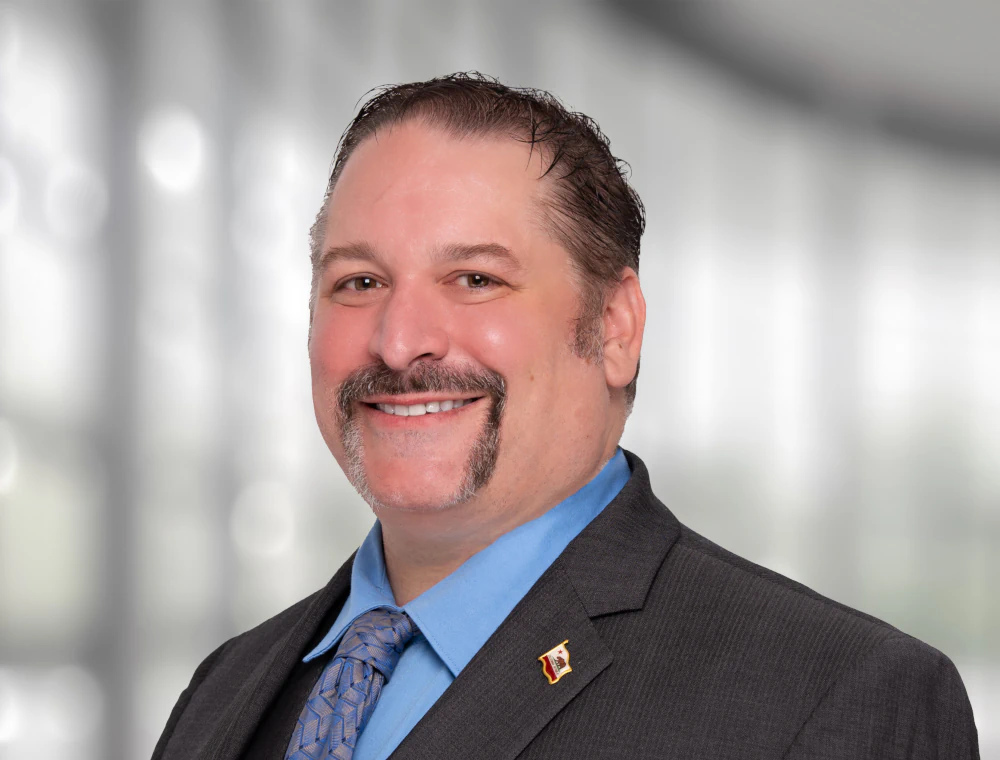
Thunder Parley Headshot

A Professional Problem Solver

My entire career has been about identifying complex problems, analyzing them from every angle, and implementing effective, lasting solutions. I'm not a career politician. I'm a professional problem-solver ready to apply that same relentless dedication to fixing our state.

Attacking the Affordability Crisis

California is no longer affordable. This isn't just a talking point; it's a daily crisis harming real people. It's crushing seniors on fixed incomes who have to choose between medicine and electricity. It's forcing young families to flee the state just to buy their first home. And it's telling students that despite their talent, there's no room for them here.

For decades, Sacramento has offered excuses and complex programs that only add to the bloat. It's time for a professional problem-solver. Our plan is two-fold: First, demand accountability and cut the waste that inflates your bills. Second, make smart, long-term investments in our infrastructure to create an abundance of energy, water, and housing. We will fix what's broken and build what's next.


Unaccountable Utility Monopolies

The Problem:

Californians pay some of the highest utility rates in the nation, yet our grid is unreliable. Monopoly providers like PG&E have neglected critical infrastructure, failed to meet safety standards, and passed the bill for their mismanagement and executive bonuses directly to you.

This mismanagement extends to policy decisions like the California Public Utilities Commission (CPUC) passing the Net Energy Metering (NEM) 3.0 rules, which took effect in April 2023. These new regulations drastically cut the compensation homeowners receive for excess solar power sent back to the grid, reducing export credits by about 75% compared to previous rules. The results were immediate and devastating: industry reports indicate the rooftop solar market collapsed, leading to an estimated 17,000 job losses by the end of 2023 and an 80% drop in residential solar installations. This was a completely avoidable failure. Instead of a policy that killed an industry, we needed a modern, common-sense plan to encourage solar plus storage, which would have strengthened our grid and lowered costs. Instead, the CPUC protected monopoly profits at the expense of consumers and climate progress.

The incompetence is staggering. In 2024 alone, California was forced to throw away over 3.4 million megawatt-hours of clean energy, enough to power over 500,000 homes for a year. Because we've failed to invest in storage, we are forced to sell this power at a loss or even pay other states to take our excess electricity. Last year, Arizona's largest utility saved its customers $69 million using California's cheap excess power. California ratepayers are subsidizing lower bills for Arizona residents. It is an engineering failure and a financial disgrace.

The Solution:

  • Demand Accountability from the CPUC: The Governor appoints the entire CPUC. Governor Newsom’s appointees have approved hike after hike and disastrous policies like NEM 3.0. We must ask ourselves: has he done his job to hold them accountable? Our first priority will be to replace industry insiders with aggressive consumer advocates and engineers whose sole mission is to protect ratepayers.
  • Mandate a "Prove It First" Audit: No more rate increases will be approved until an independent audit proves, line by line, that the money is for safety and modernization, not shareholder dividends or executive bonuses.
  • Abundant Storage: Fast-track investment in massive-scale energy storage, prioritizing batteries and pumped hydro while fostering innovation in next-generation technologies. This captures abundant daytime solar, stops wasting clean energy, and ends payments to other states for our excess power.
  • Modernize the Grid for Abundance: We must invest heavily in upgrading our outdated transmission grid and building out a diverse portfolio of reliable, clean power generation, including geothermal and advanced nuclear. This creates true energy abundance, lowering household bills, reliably powering our AI and tech economy, and ensuring we have the energy capacity to support millions of new homes.

The Broken Path to Homeownership

The Problem:

The California Dream of owning a home is dying for an entire generation. This isn't just a dream; it's the primary way working families find stable, secure housing and a foothold in their communities. Today, teachers, nurses, firefighters, and even tech professionals can't afford to live in the communities they serve. This isn't a market failure; it's a policy failure.

Decades of bureaucratic gridlock, excessive fees, and lawsuit abuse have made it financially impossible to build modest, affordable homes. Furthermore, high rents are a direct result of an unstable market where "mom-and-pop" landlords are discouraged from renting out their units, tightening supply and driving up costs for everyone.

The Solution: Creating Pathways to Ownership & Stability

  • Launch a "Pathways to Ownership" Partnership: The Governor cannot fix this alone. We will launch a "Pathways to Ownership" initiative to partner directly with the legislature, counties, and cities. This isn't a top-down mandate or a risky financial scheme. It's about collaboration. We will identify and remove state-level barriers, prioritize the use of surplus state land for attainable starter homes, and clear the way for innovative local solutions that empower renters to become owners.
  • Streamline Approvals for Starter Homes: We must slash the red tape that holds up modest projects. We will push to create a simplified, fast-track approval process for starter homes, duplexes, townhomes, and condos that meet objective safety and zoning standards.
  • Activate Existing Supply with a Stable Market: To lower rents, we must activate all available housing. We will balance strong protections for tenants with a fair, predictable system for property owners. This common-sense stability will reduce risk, giving "mom-and-pop" landlords and Accessory Dwelling Unit (ADU) owners the confidence to rent their units. This is the fastest way to bring more options to the market and provide relief for renters.
  • Reform the California Environmental Quality Act (CEQA) to Stop Lawsuit Abuse: It is constantly abused in bad faith attempts to block modest housing, public transit, and clean energy projects. We will lead a common sense reform that protects the environment while stopping its use as a tool to kill attainable housing.
  • Launch an "Infrastructure First" Program: As we build housing, we must build the infrastructure to support it. We will direct state funds for water, transit, and energy to be co-deployed with new housing projects. We must build complete, sustainable communities.

The Hidden Costs of Government Failure

The Problem:

The hidden costs of government failure include the California auto insurance bill that just doubled, the home insurance policy that was canceled, and the high price of groceries. Insurers are fleeing the state because of unmanaged wildfire risk. Gas prices are inflated by hidden taxes that don't fix roads. And every unnecessary regulation on a small business gets passed directly to you.

The Solution:

  • Fix the Home Insurance Market: We will solve this crisis by mandating that insurers must offer coverage for any homeowner who meets state-certified "home hardening" standards, in exchange for allowing rates that accurately reflect modern risk. We must prioritize safety and unlock coverage.
  • Implement a Common Sense Regulatory Review: On Day One, we will issue an executive order requiring every state agency to identify and eliminate duplicative, outdated, and anti-competitive regulations that drive up costs for families and small businesses.
  • Demand Gas Tax Transparency: Californians pay the highest gas taxes in America. We deserve to know exactly where that money is going. We will order a full audit of all gas tax and vehicle registration fee revenue to ensure every dollar is spent on improving our roads, not funding bureaucratic overhead.

Jobs & the Economy

The Problem: California's Broken Priorities

Let's start with a simple, brutal fact. In the last five years, California's total state spending (including federal and special funds) has exploded. The total state budget grew from approximately $200 billion in 2019 to about $327 billion in the 2024 fiscal year. That's over a 63% increase.

During that same period, our population declined for the first time in history. We lost a net 1.46 million people to other states between 2020 and 2024, contributing to an overall population drop.

So, state leadership is spending 63% more of your money to govern fewer people. We're asking the question that's on everyone's mind: Do you feel 63% better off?

Is your life 63% more affordable?

Are our communities 63% safer?

Is the homeless crisis 63% better?

Are your electricity rates 63% lower? They have risen dramatically since 2019, by well over 40% for many Californians. In fact, PG&E rates have roughly doubled in the last 10 years.

You have a right to be frustrated. You have a right to be angry at a broken status quo that takes more and gives you less. This isn't a partisan issue; it's a management crisis.


The Problem: The Fiscal Collapse (And the Path Forward)

This spending has led to a fiscal collapse. In 2022, California had a record-breaking budget surplus of nearly $100 billion. Just two years later, heading into the 2024-25 budget cycle, the non-partisan Legislative Analyst's Office (LAO) projected a structural deficit of over $68 billion.

It's clear we've had an abundance of spending, but we have not had an abundance of results.

This $168 billion swing from prosperity to crisis reveals the broken status quo. Insiders will tell you the only fix is a false choice: either devastating cuts to vital services or massive, job-killing tax hikes. As a problem-solver, I reject that.

We don't just have a spending problem; we have an economic growth problem. State leadership has made it too hard for businesses to create the jobs we need. The only sustainable way to fix a structural deficit is to grow our economy. Our plan gets California back on track by investing in social and physical infrastructure to support the high-wage jobs that generate the revenue to pay for our priorities.


The Problem: The California Exodus is Real

The "California Exodus" is not a myth. It's a harsh reality fueled by mismanagement and the affordability crisis. Businesses and the high-wage jobs they create are leaving our state at an alarming rate.

Reports from the Hoover Institution noted that the rate of businesses leaving doubled in recent years, with a net loss of hundreds of headquarters since 2018. We've lost major corporate headquarters to states like Texas, Tennessee, and Colorado. We've seen pillars of California's economy like Charles Schwab move their HQ out of San Francisco, and Toyota's North American operations consolidate from Torrance to Texas. Even foundational Silicon Valley companies like Hewlett Packard Enterprise (HPE) have relocated their headquarters. This hits close to home for me, as I started my Silicon Valley career decades ago at the original HP right here. These aren't just names on a building. They represent high-wage jobs, a vital tax base, and the innovative spirit that defines us. When a company leaves, it's a vote of no confidence in our state's leadership.


The Problem: Cracks in Our Human Infrastructure

Finally, our economic potential is undermined by cracks in our most critical infrastructure: our human infrastructure. A productive economy requires a healthy and safe population, but our systems are failing:

  • Mental Health Access Crisis: California faces a severe shortage of over 7,700 mental health beds statewide, according to the 2021 RAND analysis. Closing this gap requires building the equivalent of nearly 75 new large mental health facilities across the state. This lack of capacity leaves thousands without the care they need.
  • Emergency Rooms Overwhelmed: When your family faces an emergency, you expect prompt care. Instead, Californians often endure agonizing waits. The median time spent in a California ER is now over three hours, according to the California Health Care Foundation. For someone experiencing a mental health crisis, seeking help means an even longer wait: a median of four and a half hours. These are parents missing work shifts they can't afford to lose, children left scared in waiting rooms, and dangerous delays in critical care because our system lacks the capacity.
  • Trauma Care Deserts: Shockingly, nearly 4 million Californians live in a "trauma desert," more than 60 minutes by ground transport from a high-level trauma center, according to UCSF research. Studies show that when a nearby trauma center closes, the risk of death for injured residents in that area increases by over 20%. This lack of access is a critical failure in our emergency care network.

The Solution: Make California the AI Capital of the World

We are at a crossroads. The AI revolution, the most significant technology shift in our lifetime, is being born right here.

The World Economic Forum's "Future of Jobs" report is clear: while some roles will change, AI is projected to create millions of new roles. We're not just talking about coders. The U.S. Bureau of Labor Statistics projects that demand for Data Scientists will grow by 34% over the next decade. We will see a surge in demand for AI and Machine Learning Specialists, Robotics Technicians, and AI system maintainers.

This isn't about less work; it's about better work. By boosting productivity, AI gives us a historic opportunity to see real wage growth. This is how we can get back to a California where a single-income family can not just survive, but thrive. This is how we reclaim the Dream.


The Solution: An Abundance of Opportunity

To power that AI future and create those high wage paying jobs, we must have the skilled workforce. For too long, we've told every student that a 4-year university is the only path to success.

Let's be clear: California has the finest higher education system in the world, from our Universities of California (UCs) to our California State Universities (CSUs). We will continue to support them as the engine for our high-end research in tech and AI.

But a 21st-century economy requires an abundance of opportunities. We will partner with our community colleges, trade schools, and labor unions to create a world-class vocational and technical training system. These programs will create direct, high-wage, debt-free paths to the careers we know are coming: the robotics technicians needed for AI, the advanced manufacturing specialists, and the skilled energy technicians to build our new grid.


The Solution: Powering the Breadbasket of the World

California is the breadbasket of the world. Agriculture and food production are a core part of our state's identity and a pillar of our economy. We produce over two-thirds of our nation's fruits and nuts and over a third of its vegetables, with a record $61 billion annual output.

I see the incredible hard work and innovation that goes into California farming. But I also see our farmers being crushed by unreliable water, skyrocketing energy costs, and failing infrastructure. This isn't a partisan issue; it's a California issue.

Our infrastructure plan is a direct investment in our farmers.

  • By investing in water security and conveyance, we provide the predictability they need to plant.
  • By building an abundant energy grid, we lower the cost to run their pumps.
  • By modernizing our roads and ports, we get their world-class ingredients to market faster and cheaper.

This isn't just about the farm. It's about the entire economic chain. When farmers thrive, our $150 billion+ tourism and restaurant industry thrives. We secure our status as the home of world-class dining and create jobs across the 5th largest economy in the world.


The Solution: Building Our Human Infrastructure

As a problem-solver, I see the failures in our human infrastructure not just as crises to be solved, but as massive economic opportunities. Our plan will invest strategically in building the hospitals, addiction/recovery centers, and mental health facilities we desperately need.

This investment creates two waves of jobs. First, the construction jobs to build them. Second, a new wave of permanent, high-wage, and AI-proof careers to run them.

A McKinsey report on automation confirms that jobs high in human empathy and interaction are the least likely to be automated. AI cannot replace an addiction counselor, a mental health technician, or a Registered Nurse. The Bureau of Labor Statistics projects that roles like Nurse Practitioner will grow by over 40% in the next decade, and the healthcare sector will add nearly 1.9 million jobs nationally.

This is a core part of our economic platform. We will invest in these facilities to create an abundance of non-automatable, high-wage careers and build the healthy workforce that will power our economy for decades. These investments are also part of the essential foundation for solving our next set of problems.

Public Health & Safety

A thriving economy and affordable communities require a foundation of public health and safety. Right now, that foundation is cracked. Californians see the interconnected crises of homelessness, mental illness, addiction, and crime on our streets daily. We feel frustrated by the lack of progress despite massive spending, and worried for the safety of our families and communities. It's time for a problem-solver's approach that prioritizes both accountability and compassionate care.


The Problem: Failed Policies Fueling Street-Level Crises

Californians are compassionate, but our patience with failed policies has run out. In November 2024, nearly 70% of voters, across party lines, passed Proposition 36. This vote sent two clear messages: first, a demand for accountability for repeat theft offenders who harm our communities and businesses; second, a recognition that we desperately need better pathways to address the severe mental health and addiction crises fueling suffering on our streets. This wasn't a partisan vote; it was a statewide cry for common sense solutions to complex problems.

This demand comes after California poured nearly $24 billion into homelessness programs over the last five years, yet saw overall homelessness reach record highs statewide during that same period, according to analyses like those from the Hoover Institution. That's not just failed policy; it's a staggering waste of taxpayer money and a profound failure to help those most in need.

The public health crisis exploded with the fentanyl epidemic. San Francisco recorded a devastating 813 accidental overdose deaths in 2023, the vast majority involving fentanyl. Despite millions spent on "harm reduction" supplies and initiatives like the $22 million Tenderloin Linkage Center (operated Jan-Dec 2022), which evaluations showed connected only a small fraction of visitors to meaningful treatment, overdose deaths tragically continued to climb. Handing out supplies without effective pathways and mandates for treatment enables addiction; it doesn't solve it.

The state's rigid adherence to "Housing First" without sufficient mandatory supportive services for those with severe challenges has proven insufficient. While housing is critical, national studies and local realities show it often fails without required treatment for severe mental illness or addiction. Furthermore, state and federal funding preferences often hinder support for drug-free or sober housing. This creates barriers for families (estimated ~10% of the homeless count), individuals in recovery (surveys suggest ~30-40% of homeless individuals report substance use disorder), and domestic violence survivors who need and deserve safe, sober environments.

Our criminal justice system failures compound the problem. With nearly 40% recidivism rates within three years of release (based on recent California Department of Corrections and Rehabilitation data), we're failing both individuals and public safety. A staggering percentage of the homeless report prior incarceration (some studies indicating over 60%), highlighting a pipeline from prison to the streets. This cycle is incredibly costly. It costs over $132,000 per year per inmate (in 2022-2023), far exceeding the estimated $25,000-$50,000 annual cost for supportive housing or intensive treatment, making our affordability crisis worse.

This breakdown impacts everyone's quality of life and safety:

  • Small Businesses Suffer: Staggering losses from retail theft, estimated in the billions annually for California retailers, drive up costs. Consequently, commercial insurance premiums in high-theft areas reportedly jumped 20-30% or more between 2022 and 2025, forcing closures and hurting consumers.
  • Public Transit Struggles: Ridership recovery remains stalled well below pre-pandemic (2019) levels due to safety concerns and changing commute patterns. As of early 2025, Bay Area Rapid Transit train (BART) ridership often remained nearly 60% below 2019, while LA Metro hovered roughly 17% below, and San Francisco Municipal Transportation Agency (Muni) faced similar challenges. Paradoxically, during this period of decreased ridership, operating costs have soared. BART's operating budget, for example, has increased by roughly 30% between 2019 and 2025, a trend mirrored by other large agencies facing rising labor and operational expenses even with fewer passengers.
  • Transit Finances Crushed: Agencies lose vast sums to fare evasion on top of the revenue shortfall from low ridership. BART estimated losses near $30 million annually in 2024, while LA Metro projected ~$70 million lost in 2024. This isn't just a financial issue; it's a critical safety concern. According to data reported by the Los Angeles County Sheriff's Department, over 90% of those arrested for violent crimes on the LA Metro system between May 2023 and April 2024 had also evaded paying the fare, demonstrating a strong link between fare evasion and serious criminal activity. This financial strain occurs despite significantly higher operating budgets compared to pre-pandemic levels.
  • Taxpayers Foot the Bill (Again): Despite lower ridership and higher costs per rider, state leaders recently passed legislation (SB 63, Oct 2025) setting the stage for a regional sales tax hike of up to 1% on the November 2026 ballot across multiple Bay Area counties. This bandaid solution focuses on raising billions via a regressive tax that hurts working families, instead of fixing the fundamental safety, reliability, and runaway cost problems first.
  • Tourism and State Image Decline: Higher taxes and safety concerns deter tourism just as we prepare for major events like the Super Bowl in Santa Clara (2026), the FIFA World Cup (2026), and the LA Olympics (2028). California's image suffers. When I moved here decades ago, telling someone you lived in California inspired awe. Now, too often, it’s met with pity or becomes the punchline of a joke. It breaks my heart. This shift is reflected in 2025 PPIC polls showing majorities consistently believe the state is on the wrong track, citing homelessness and crime as top concerns.

Furthermore, unchecked encampments create significant public health and environmental hazards. They often lead to the contamination of waterways with trash and human waste, posing risks downstream. Their presence negatively impacts local businesses and tourism, particularly when located near parks, schools, playgrounds, and commercial districts, creating no-go zones and deterring visitors.

There is no compassion in letting people die on our streets from untreated illness or addiction, nor is it compassionate to allow unsafe conditions to degrade our shared public spaces. True compassion demands intervention and care, even when individuals cannot choose it for themselves.

The Solution: Accountability, Treatment, and Safe Communities

We will bring a problem-solver's focus to restoring public health and safety, implementing common-sense solutions within the state's power that balance accountability with compassionate, effective care. Our administration will prioritize:

  • Mandate Treatment via State Programs: We must move beyond just providing supplies or a room. For individuals incapable of self-care due to severe mental illness or addiction, treatment cannot remain merely optional. We will direct state agencies to fully implement and fund programs like Community Assistance, Recovery, and Empowerment (CARE) Court across all participating counties, using the Governor's authority to ensure these programs function as intended to compel individuals into treatment plans. We will also work with the legislature to pursue necessary, pragmatic reforms to conservatorship laws focused on those most gravely disabled and unable to accept voluntary services.
  • Building the Necessary Infrastructure: Mandated treatment requires available facilities. We will use the state budget and executive authority to expedite funding and streamline regulations for building the mental health facilities, psychiatric beds, and addiction/recovery centers outlined in our economic plan. This provides the capacity to deliver care effectively.
  • Championing a Full Spectrum of Housing: We will direct state housing agencies to revise funding guidelines to actively support drug-free and sober living environments alongside low-barrier options, ensuring state dollars provide real choices that meet the needs of families, those in recovery, and survivors of violence.
  • Implement Prop 36 Effectively – Accountability & Treatment: Proposition 36, passed overwhelmingly by voters in November 2024, gave us the tools to restore accountability for repeat theft offenders while expanding pathways to mandatory treatment for addiction and mental illness. We will ensure this law is implemented effectively statewide. Our administration will direct state agencies to support counties in utilizing these new tools. Funding the necessary county-level enforcement and treatment programs will be a priority in our budget proposals. We will achieve this not through new broad-based taxes, but by reallocating resources. We will prioritize state funds towards these effective interventions and potentially utilize long-term savings achieved through reduced recidivism and lower state prison costs. We must invest in what works to break the cycle of crime, addiction, and homelessness.
  • Demanding Transit Safety & Accountability: Tie state transit funding and support for any future regional taxes directly to measurable improvements in safety, cleanliness, and fare enforcement. We will push agencies receiving state funds to adopt strategies like increased visible security presence, modern fare gates, and consistent enforcement of codes of conduct to restore public confidence.
  • Restoring Public Spaces: Direct state agencies (like Caltrans for state property) and support local governments to compassionately but resolutely clear unsafe encampments, connecting individuals to available shelter and services while enforcing laws that keep our waterways clean and public spaces like parks and areas near schools safe and accessible for everyone. Support impacted small businesses with resources to mitigate losses and aid community revitalization efforts.

Improving Educational Outcomes

Our children are California’s future. Ensuring they receive a world-class education is not just a moral obligation; it's the fundamental building block for our state's long-term prosperity and the solutions to our biggest challenges, including affordability and economic competitiveness. Yet, despite investing enormous resources, our K-12 system is delivering outcomes that fall tragically short for far too many students.


The Problem: High Spending, Low Results, Failing Our Future

California's commitment to education, measured in dollars, is immense. We spend nearly $24,000 per student annually in our K-12 schools, among the highest levels in the nation. But where are the results for this massive investment?

  • Lagging National Performance: Recent results from the National Assessment of Educational Progress (NAEP), often called the "Nation's Report Card," are deeply concerning. California consistently ranks in the bottom half of states, particularly in math and reading proficiency. For example, recent NAEP scores showed less than a third of California 4th and 8th graders are proficient in reading or math.
  • Core Skills Deficit: Decades of moving away from proven, evidence-based teaching methods, like structured phonics for reading, have left too many students behind. Foundational literacy and math skills are non-negotiable for success.
  • Lowering Standards: Instead of tackling achievement gaps head-on, some districts have resorted to lowering standards, exemplified by San Francisco Unified's disastrous experiment temporarily removing Algebra I for middle schoolers, which studies showed actually widened equity gaps. This is unacceptable.
  • Finding the Right Balance for Safe & Orderly Classrooms: Every student deserves a safe place to learn, and every teacher deserves a classroom where they can teach effectively. Right now, achieving that balance is a real challenge. State laws, like SB 274 (effective mid-2024) limiting certain disciplinary actions, have coincided with rising concerns about classroom disruption. Teachers report losing significant instructional time managing behavior. Practices like "room clears," where an entire class is evacuated due to one student's unsafe behavior, punish well-behaved students by robbing them of learning time – potentially hours per week. California parent polls consistently show school safety and discipline are major worries. We need solutions that support students with behavioral needs while also empowering teachers to maintain orderly classrooms where all students feel safe and can focus on learning. It's about finding practical, common-sense solutions that work for California's schools, ensuring both safety and opportunity.
  • Economic Disconnect: We are failing to prepare enough students for the high-skill jobs California is creating, particularly in fields like tech and AI, or for the vital skilled trades. When students graduate without foundational skills or pathways to good careers, we fail them, their families, and our economy. Investing billions in education only to see graduates unprepared or forced to leave the state for opportunity represents a triple failure.

The Solution: Focus on Fundamentals, Empower Parents, Demand Results

We will bring a problem-solver's focus to K-12 education, demanding results and ensuring our investments truly serve our students. We don't need radical new theories; we need to execute effectively on proven fundamentals.

  • Return to Evidence-Based Instruction: Prioritize state funding and support for districts adopting proven curricula, including structured phonics for reading instruction. We should look to successes like Mississippi's dramatic reading score improvements (the "Mississippi Miracle") after implementing such reforms statewide.
  • Maintain High Standards & Rigor: Reject the damaging trend of lowering academic standards in the name of equity. True equity means ensuring every student receives the support needed to meet high expectations, including access to advanced courses like Algebra in middle school.
  • Elevate Career Technical Education (CTE): Recognize that a four-year degree isn't the only path to a great career. We will partner with community colleges, high schools, industry leaders, and labor unions to build world-class CTE programs focused on the high-demand jobs of tomorrow: AI technicians, advanced manufacturing specialists, skilled construction trades, and green energy technicians. This means direct pathways from classroom training to high-wage, debt-free careers right here in California.
  • Ensure Safe & Orderly Schools: We will work with the legislature, districts, teachers, and parents to revise discipline policies, ensuring educators have the tools to maintain safe classrooms while implementing effective interventions for students with behavioral challenges. Safe schools are essential for both students and teachers.
  • Empower Parents & Guardians: Parents are crucial partners. Increase transparency around curriculum and school performance data. Support policies that give parents meaningful choices and a voice in their children's education.
  • Diverse Needs, Diverse Solutions: California's student body is incredibly diverse. We must move away from one-size-fits-all mandates and support a range of effective school models and tailored interventions that meet the unique needs of different student populations and communities.
  • Strengthen Higher Education – Safety & Excellence: California boasts world-class public universities (UC and CSU systems). We will use our appointment powers for the UC Regents and CSU Trustees to champion academic excellence and free speech. Critically, we will also emphasize that our campuses must remain safe environments dedicated to rigorous learning, intellectual discourse, debate, and discovery, where the rights of all students to participate in the academic mission are protected from undue disruption or intimidation. We will also use the state budget to prioritize investments that align our higher education system with the state's workforce needs, creating pathways for graduates into high-demand fields like AI, healthcare, and skilled trades right here in California.